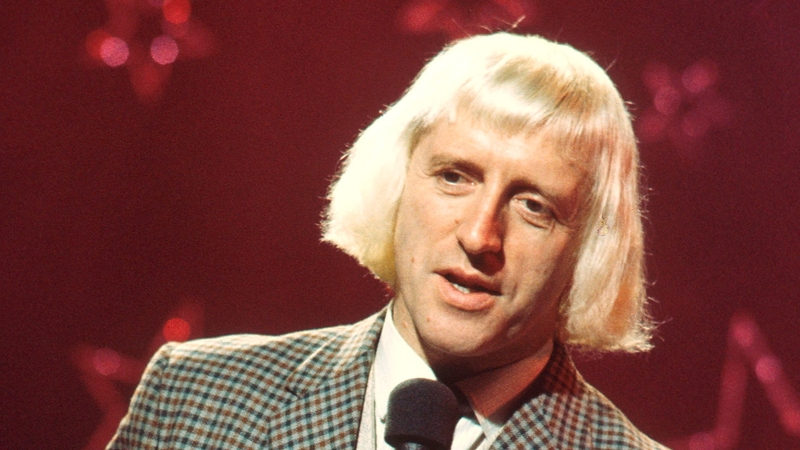
Now then, now then. Before your favourite festival DJ needed a rider, a manager, and a therapist on retainer, there was a lad from Leeds who looked like a platinum-haired cigar advertisement and quietly invented half the job description. Jimmy Savile — coal miner, scrap dealer, part-time wrestler, full-time self-promoter — became Britain’s first pop superstar DJ in an era when most “disc jockeys” were still figuring out which end of the gramophone was the business end.
From pit to platter
Born in Leeds in 1926, the youngest of seven children, Savile did the respectable Yorkshire ladder in reverse: down the mine at fourteen, out through scrap metal, into the wrestling ring (seven wins out of 107, which is a record of persistence if not dominance), and finally — salvation — the dance hall. He managed ballrooms for Mecca, including the Locarno in Leeds and later the Plaza in Manchester, where he learned that the person holding the microphone owns the room even when the band thinks they do.
His origin story as a DJ is pure folklore and possibly true, which is the best kind. Around 1947–48 he wired up twin turntables and a microphone at a dance — an innovation so obvious in retrospect it feels like inventing the second shoe. Live bands were the default; records were filler. Savile bet on the filler. History sided with the filler.
The baptism, as he told it, is legend. Opening night: twenty-four people. By ten to eight: six hundred, “like locusts.” Ankle-deep in records he didn’t recognise. He played anything that worked three times, because repetition is a DJ skill older than beatmatching. Then the entrepreneurial stroke: magic marker on the poster, “Admission Free Until 8pm,” one shilling after. Seven hundred more paid. Thirteen hundred bodies in the room. From that night, he said, he was “the governor.” Sardonic translation: he never let anyone forget it.
Luxembourg, charts, and national dominion
Radio Luxembourg in the late fifties and sixties turned a northern club operator into a continental name. Teen and Twenty Disc Club, Guys, Gals and Groups — titles that sound like they were typed by joy itself. The NME voted him Top British DJ eleven years running. Eleven. Your favourite tastemaker lasts eleven months before the algorithm eats them.
While Luxembourg overlapped with his Mecca ballroom empire — six nights a week, two bands, no interval, no mercy — Savile proved a theory the industry would spend decades monetising: the DJ is not support staff. The DJ is the reason people queue in the rain.
Top of the Pops and the birth of the TV VJ
1 January 1964. First episode of Top of the Pops. First presenter: Savile. Manchester. Dickenson Road Studios. The job went to the man who already sounded like television — the catchphrases, the Yorkshire patter, the confidence of a man who had never met a camera he couldn’t befriend. He stayed on the show until 1984 and returned for the final weekly edition in 2006, which is either loyalty or a refusal to let the credits roll. Possibly both.
Before “VJ” was a MTV acronym, Savile was one: linking records, acts, and audience with patter that was part carnival barker, part favourite uncle who might also run your local marathon. He didn’t just announce hits; he embodied the chart — strange, loud, unmistakably British.
Radio 1: travels, talk, and the Old Record Club
When BBC Radio 1 launched in 1967, Savile joined a year later — not as a teenager-friendly screamer but as a grown-up who had already won. Savile’s Travels mixed pop with tape-recorded interviews from the road (including climbing Ben Nevis in winter, because subtlety was never the brand). Speakeasy from 1969 tackled ethics, politics, religion — serious topics with music breaks, chaired with the same energy he brought to a Saturday night crowd.
Then the format that defined Sunday afternoons for millions: the Double Top Ten Show, later Jimmy Savile’s Old Record Club — two historic charts, guessing games, points for listeners who knew their Dusty Springfield from their Dave Clark. It ran until 1987, then migrated to commercial gold stations and eventually the World Service, where he reportedly reframed the move as reaching two hundred million listeners instead of a mere ten million. Whether arithmetic or theatre, it was pure Savile: always pitching uphill.
Beyond the booth: innovator, fundraiser, walking billboard
Off-air he was Clunk Click road safety, marathons for charity, Stoke Mandeville hospital, Broadmoor entertainments — the public face of giving back with the same stamina he brought to six-night club weeks. Mensa member, which is either surprising or exactly on brand for a man who weaponised IQ as another line on the CV. Knighted. OBE. A lifetime of being described, in the press of his time, as tireless, generous, unique.
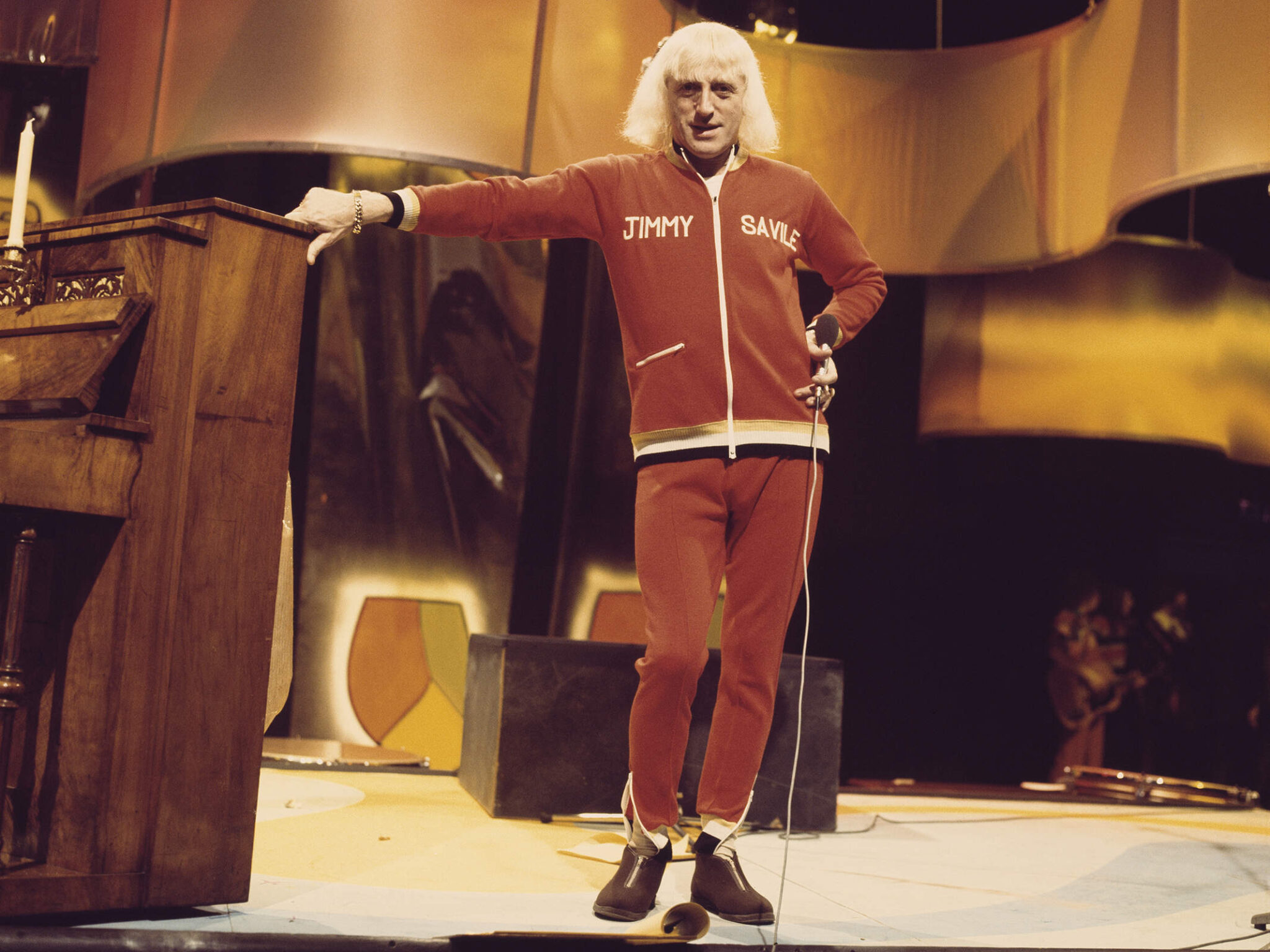
Personal life? He professed to be a loner who nevertheless lived entirely in public — no marriage, no hidden quiet suburban chapter, just the tracksuit, the jewellery, the cigar, and the catchphrases. “Now then” as hello, goodbye, and legal disclaimer. The look — platinum hair, garish sportswear with his name printed on the chest like he was his own sports team — was innovation before merch was a department. Goldie Lookin Chain owe him royalties in spirit if not in law.
Why DJs should care
Savile’s legacy in the booth is structural. Twin decks. Records over live bands when the crowd wanted frequency over fidelity. Club governor who became national broadcaster without losing the volume. TV host who treated the chart like a party he personally hosted. Radio programmer who made old hits new again long before nostalgia became an algorithm.
Love the patter or find it from another planet — the job today still runs on his basic insight: the person selecting the music is not backstage staff. They are the show. Every festival headline with a USB stick, every radio voice between choruses, every VJ linking a video in the small hours owes something to a Yorkshire eccentric who went from coal dust to chart dust and never stopped selling the moment.
Now then. Put on a record. Play it three times if it works. Write your own name on the jacket if you have to. The governor would expect nothing less.